


Self-consumption optimization with the help of C&I energy storage systems
Self-consumption optimization with the help of C&I energy storage systems
In recent years, self-consumption optimization has become a key issue for companies that want to reduce their energy costs while simultaneously contributing to a sustainable energy supply. Commercial & Industrial (C&I) energy storage systems open up new possibilities for maximizing the use of self-generated energy and reducing dependence on the public power grid.
Fundamentals of Self-Consumption Optimization
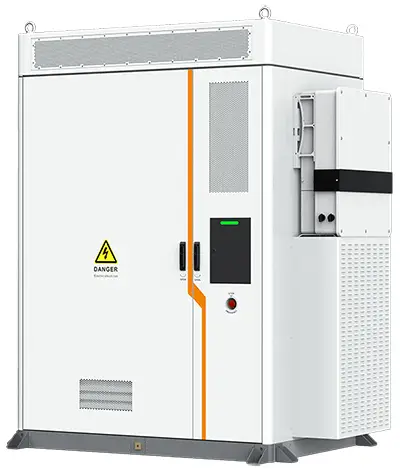
Self-consumption optimization essentially involves consuming as much of the self-generated energy as possible – typically from photovoltaic systems – directly on-site, instead of feeding it into the public grid. This is particularly economically attractive, as the costs of purchasing electricity from the grid are usually significantly higher than the remuneration for electricity fed into the grid. While the self-consumption rate for commercial photovoltaic systems is typically 30-40% without storage solutions, this can be increased to 60-80% through the use of energy storage systems.
The challenge with optimizing self-consumption is that solar power generation and operational energy requirements often do not coincide. While solar systems deliver their peak performance during the midday hours, many companies require large amounts of energy, especially in the morning and late afternoon. This temporal discrepancy means that without a storage solution, a large portion of the generated electricity must be fed into the grid, while later, expensive electricity is drawn from the grid.
The Role of C&I Energy Storage Systems
C&I energy storage systems close precisely this gap between generation and consumption. They are specifically designed for the requirements of commercial and industrial applications and differ from home storage solutions in several aspects. Systems for commercial use offer significantly higher capacities – typically between 50 kWh and several megawatt hours. and can provide outputs ranging from several hundred kilowatts to several megawatts.
A key advantage of C&I storage systems is their industrial suitability. They are robustly constructed, offer high cycle stability, and come with longer warranty periods than home storage systems. They also feature advanced energy management systems that enable precise control and optimization. These systems can not only optimize self-consumption but also perform other functions such as peak load management or the provision of grid services.
How Self-Consumption Optimization Works
The process of self-consumption optimization with C&I storage systems begins with surplus detection. The energy management system (EMS) continuously monitors the PV system's power generation and the company's current consumption. As soon as generation exceeds consumption, this excess power is used to charge the battery storage system instead of feeding it into the grid. Later, when electricity consumption exceeds current PV production, the stored power from the battery is used. Only when neither the PV system nor the storage system can supply sufficient energy is additional power drawn from the grid.
Modern systems, however, go far beyond this simple logic. They use advanced consumption forecasting algorithms and incorporate weather forecasts to optimize storage usage. The system learns the company's typical consumption patterns and considers factors such as production shift schedules, weekends, and holidays. Based on this information and the expected solar radiation, the best possible time for charging and discharging processes is determined.
In recent years, self-consumption optimization has become a key issue for companies that want to reduce their energy costs while simultaneously contributing to a sustainable energy supply. Commercial & Industrial (C&I) energy storage systems open up new possibilities for maximizing the use of self-generated energy and reducing dependence on the public power grid.
Fundamentals of Self-Consumption Optimization
Self-consumption optimization essentially involves utilizing as high a proportion of self-generated energy as possible—typically from photovoltaic systems. to consume it directly on-site instead of feeding it into the public grid. This is particularly economically attractive, as the costs of purchasing electricity from the grid are usually significantly higher than the remuneration for electricity fed into the grid. While the self-consumption rate for commercial photovoltaic systems is typically 30-40% without storage solutions, this can be increased to 60-80% through the use of energy storage systems.
The challenge with self-consumption optimization is that the generation of solar power and operational energy requirements often do not coincide. While the solar system delivers its peak performance during the midday hours, many companies require large amounts of energy, especially in the morning and late afternoon. This temporal discrepancy means that without a storage solution, a large portion of the generated electricity must be fed into the grid, while later, expensive electricity is drawn from the grid.
The Role of C&I Energy Storage Systems
C&I energy storage systems close precisely this gap between generation and consumption. They are specifically designed for the requirements of commercial and industrial applications and differ from home storage solutions in several aspects. Systems for commercial use offer significantly higher capacities – typically between 50 kWh and several megawatt hours. and can provide outputs ranging from several hundred kilowatts to several megawatts.
A key advantage of C&I storage systems is their industrial suitability. They are robustly constructed, offer high cycle stability, and come with longer warranty periods than home storage systems. They also feature advanced energy management systems that enable precise control and optimization. These systems can not only optimize self-consumption but also perform other functions such as peak load management or the provision of grid services.
How Self-Consumption Optimization Works
The process of self-consumption optimization with C&I storage systems begins with surplus detection. The energy management system (EMS) continuously monitors the PV system's power generation and the company's current consumption. As soon as generation exceeds consumption, this excess power is used to charge the battery storage system instead of feeding it into the grid. Later, when electricity consumption exceeds current PV production, the stored power from the battery is used. Only when neither the PV system nor the storage system can supply sufficient energy is additional power drawn from the grid.
Modern systems, however, go far beyond this simple logic. They use advanced consumption forecasting algorithms and incorporate weather forecasts to optimize storage usage. The system learns the company's typical consumption patterns and considers factors such as production shift schedules, weekends, and holidays. Based on this information and the expected solar radiation, the best possible time for charging and discharging processes is determined.
































Strategies for Self-Consumption Optimization
The basic strategy for self-consumption optimization consists in shifting energy supply and demand. The midday peak of solar production is temporarily stored in the storage system to make it available for consumption in the morning and evening hours. This strategy is particularly effective for companies with shift work or extended working hours.
A complementary strategy is to adapt operational processes to energy generation. Wherever possible, energy-intensive processes can be specifically shifted to times of high PV production. The storage system serves as a buffer to compensate for short-term fluctuations and increase operational flexibility. However, this strategy requires a precise analysis of production processes and cannot be implemented in all companies.
Advanced systems rely on predictive control that goes far beyond simple rules. AI-based algorithms recognize patterns in energy consumption and can predict them with high accuracy. Combined with detailed weather forecasts, this enables predictive optimization of storage usage. The system decides, for example, whether the storage should be completely discharged in the early morning hours or whether a partial charge should be maintained due to an expected period of bad weather.
Dimensioning for optimal self-consumption
The correct dimensioning of the storage system is crucial for the economic viability of self-consumption optimization. Too small a storage capacity leads to a suboptimal self-consumption rate, while an oversized storage system impairs profitability due to excessive investment costs. Determining the optimal size requires a detailed analysis of the company's load profile and the generation profile of the PV system.
As a rule of thumb, a ratio of 1-2 kWh of storage capacity per kWp of installed PV power applies to commercial applications. However, this ratio can vary greatly depending on individual circumstances. The key factor is the consistency of the load profile with the generation profile. For example, companies with high energy demand in the morning hours benefit from a larger storage capacity than those with peak consumption at midday.
The dimensioning must also take economic conditions into account. Given the still relatively high investment costs for battery storage, a careful cost-benefit analysis is essential. Simulations with real consumption and generation data over a longer period can help determine the optimal storage size and quantify the expected savings.
Economic Aspects of Self-Consumption Optimization
The economic viability of self-consumption optimization depends largely on the difference between electricity purchase costs and feed-in tariffs. The greater this difference, the more attractive it is to store self-generated electricity. For many companies in Germany, this difference is currently 15-20 cents per kilowatt hour, which represents significant savings potential.
Increasing the self-consumption rate from 30% to 70% can result in annual savings of several thousand to tens of thousands of euros, depending on the size of the system. This is offset by the investment costs for the storage system, which currently range from 500-1,000 euros per kWh of storage capacity. Despite this high initial investment, a well-dimensioned system for self-consumption optimization can pay for itself in 5-8 years under favorable conditions.
The cost-benefit analysis must also consider the system's lifetime, maintenance costs, and battery degradation. Modern lithium-ion batteries for industrial applications typically offer a lifespan of 10-15 years or several thousand full cycles. Capacity decreases over time, which must be taken into account in the cost-benefit analysis.
Strategies for optimizing self-consumption
The basic strategy for optimizing self-consumption consists in shifting energy supply and demand. The midday peak of solar production is temporarily stored in the storage system to make it available for consumption in the morning and evening hours. This strategy is particularly effective for companies with shift work or extended working hours.
A complementary strategy is to adapt operational processes to energy generation. Wherever possible, energy-intensive processes can be specifically shifted to times of high PV production. The storage system serves as a buffer to compensate for short-term fluctuations and increase operational flexibility. However, this strategy requires a precise analysis of production processes and cannot be implemented in all companies.
Advanced systems rely on predictive control that goes far beyond simple rules. AI-based algorithms recognize patterns in energy consumption and can predict them with high accuracy. Combined with detailed weather forecasts, this enables predictive optimization of storage usage. The system decides, for example, whether the storage should be completely discharged in the early morning hours or whether a partial charge should be maintained due to an expected period of bad weather.
Dimensioning for optimal self-consumption
The correct dimensioning of the storage system is crucial for the economic viability of self-consumption optimization. Too small a storage capacity leads to a suboptimal self-consumption rate, while an oversized storage system impairs profitability due to excessive investment costs. Determining the optimal size requires a detailed analysis of the company's load profile and the generation profile of the PV system.
As a rule of thumb, a ratio of 1-2 kWh of storage capacity per kWp of installed PV power applies to commercial applications. However, this ratio can vary greatly depending on individual circumstances. The key factor is the consistency of the load profile with the generation profile. For example, companies with high energy demand in the morning hours benefit from a larger storage capacity than those with peak consumption at midday.
The dimensioning must also take economic conditions into account. Given the still relatively high investment costs for battery storage, a careful cost-benefit analysis is essential. Simulations with real consumption and generation data over a longer period can help determine the optimal storage size and quantify the expected savings.
Economic Aspects of Self-Consumption Optimization
The economic viability of self-consumption optimization depends largely on the difference between electricity purchase costs and feed-in tariffs. The greater this difference, the more attractive it is to store self-generated electricity. For many companies in Germany, this difference is currently 15-20 cents per kilowatt hour, which represents significant savings potential.
Increasing the self-consumption rate from 30% to 70% can result in annual savings of several thousand to tens of thousands of euros, depending on the size of the system. This is offset by the investment costs for the storage system, which currently range from 500-1,000 euros per kWh of storage capacity. Despite this high initial investment, a well-dimensioned system for self-consumption optimization can pay for itself in 5-8 years under favorable conditions.
The cost-benefit analysis must also consider the system's lifetime, maintenance costs, and battery degradation. Modern lithium-ion batteries for industrial applications typically offer a lifespan of 10-15 years or several thousand full cycles. Capacity decreases over time, which must be taken into account in the cost-benefit analysis.


Practical Example of Self-Consumption Optimization
To illustrate the effectiveness of self-consumption optimization, we consider a medium-sized manufacturing company with a 200 kWp PV system and an annual electricity consumption of 450,000 kWh. Without storage, the company achieves a self-consumption rate of 35%. The remainder of the solar energy generated is fed into the grid.
After a thorough analysis of the load profile, the company decides to install a 250 kWh / 100 kW battery storage system. In combination with an intelligent energy management system, the self-consumption rate was increased to 72%. With annual PV generation of 190,000 kWh and a difference between electricity procurement costs and feed-in tariffs of 18 cents/kWh, this results in annual savings of approximately €24,000.
The company invested €200,000 in the storage system, resulting in a payback period of approximately 8.3 years. This results in a significantly positive return on investment over the expected service life of 12 years. In addition to the financial benefits, the company benefits from greater energy autonomy and can better achieve its sustainability goals.
Challenges and Future Prospects
Despite the promising opportunities, there are still some challenges in optimizing self-consumption with C&I storage. Accurately predicting consumption and generation is complex and requires advanced algorithms. Natural battery aging leads to a gradual decrease in capacity, which must be taken into account in the profitability calculation. The regulatory framework can also pose hurdles in some regions, for example, due to the double burden of grid charges or tax aspects.
Several positive developments are emerging for the future. Advances in battery technology are leading to higher energy densities, longer service lives, and, above all, lower costs. Experts expect battery storage prices to fall by a further 30-50% in the coming years, which will significantly improve the economic viability of self-consumption optimization. At the same time, AI-supported forecasting models are becoming increasingly precise, enabling even more effective use of storage capacity.
Another trend is the integration of self-consumption optimization into holistic energy concepts. Combining it with heat and cold storage systems and charging infrastructure for electric vehicles can unlock additional synergies. The merger of several companies into local energy communities with joint self-consumption optimization is also gaining importance.
Conclusion
Self-consumption optimization using C&I energy storage systems offers companies an effective way to reduce their energy costs while simultaneously contributing to a sustainable energy supply. By increasing the share of self-consumption, the economic efficiency of PV systems is significantly improved and dependence on electricity price fluctuations is reduced.
Practical example of self-consumption optimization
To illustrate the effectiveness of self-consumption optimization, we consider a medium-sized manufacturing company with a 200 kWp PV system and an annual electricity consumption of 450,000 kWh. Without storage, the company achieves a self-consumption rate of 35%. The remainder of the generated solar energy is fed into the grid.
After a thorough analysis of the load profile, the company decides to install a 250 kWh / 100 kW battery storage system. In combination with an intelligent energy management system, the self-consumption rate was increased to 72%. With annual PV generation of 190,000 kWh and a difference between electricity procurement costs and feed-in tariffs of 18 cents/kWh, this results in annual savings of approximately €24,000.
The company invested €200,000 in the storage system, resulting in a payback period of approximately 8.3 years. This results in a significantly positive return on investment over the expected service life of 12 years. In addition to the financial benefits, the company benefits from greater energy autonomy and can better achieve its sustainability goals.
Challenges and Future Prospects
Despite the promising opportunities, there are still some challenges in optimizing self-consumption with C&I storage. Precisely predicting consumption and generation is complex and requires advanced algorithms. Natural battery aging leads to a gradual decrease in capacity, which must be taken into account in the profitability calculation. The regulatory framework can also pose hurdles in some regions, for example, due to the double burden of grid charges or tax aspects.
Several positive developments are emerging for the future. Advances in battery technology are leading to higher energy densities, longer service lives, and, above all, lower costs. Experts expect battery storage prices to fall by a further 30-50% in the coming years, which will significantly improve the economic viability of self-consumption optimization. At the same time, AI-supported forecasting models are becoming increasingly precise, enabling even more effective use of storage capacity.
Another trend is the integration of self-consumption optimization into holistic energy concepts. Combining it with heat and cold storage systems and charging infrastructure for electric vehicles can unlock additional synergies. The merger of several companies into local energy communities with joint self-consumption optimization is also gaining importance.
Conclusion
Self-consumption optimization using C&I energy storage systems offers companies an effective way to reduce their energy costs while simultaneously contributing to a sustainable energy supply. By increasing the share of self-consumption, the economic efficiency of PV systems is significantly improved and dependence on electricity price fluctuations is reduced.